Ask most drivers in Goderich to name the best winter tire, and you will usually hear a brand. A better place to start is the tire category. The symbols moulded into the sidewall tell you how a tire was tested and what kind of cold-weather driving it was built for.
This guide from Goderich Toyota compares the three tire types you will find this fall: dedicated winter tires, all-weather tires carrying the three-peak mountain snowflake symbol, and conventional all-season tires. You will also see how Toyota’s AWD systems and snow drive modes work with your tires, and why Ontario’s studded tire rules matter for Huron County owners.
At a Glance: Winter Tire Categories for Your Toyota
|
Tire Category
|
Sidewall Marking
|
Best Fit
|
|
Dedicated winter
|
3PMSF symbol
|
Full-season winter driving below 7°C; TRAC’s top recommendation for winter performance
|
|
All-weather
|
3PMSF symbol
|
One set used year-round; Toyota rates the category for performance above -10°C
|
|
All-season
|
Often M+S only
|
Moderate snow and slush; grip fades as temperatures fall below 7°C
|
Why 7°C Is the Number to Watch
Transport Canada explains that once temperatures drop below 7°C, all-season and summer tires start to lose elasticity, and they lose traction with it. Winter tire compounds stay flexible at much lower temperatures, so they keep gripping as the thermometer falls. The Tire and Rubber Association of Canada (TRAC) uses the same 7°C mark as the point where winter tires outperform all-season and summer tires.
The payoff shows up when you brake. Ontario’s Ministry of Transportation says winter tires can shorten braking distances by as much as 25%.
Reading the Sidewall: 3PMSF vs. M+S
The three-peak mountain snowflake (3PMSF) symbol is the marking to look for first. Transport Canada says it identifies tires that meet specific snow-traction performance requirements for severe snow conditions. TRAC adds that qualifying tires are tested under the ASTM F1805 standard on medium-packed snow.
Ice grip is measured with a separate test, and TRAC describes an Ice Grip Symbol for tires that pass an ISO ice test. M+S stands for mud and snow. It appears on many all-season tires and some winter tires, so on its own it does not tell you a tire was built for winter.
- 3PMSF: passed a standardized severe-snow traction test
- Ice Grip Symbol: passed a separate ice test
- M+S: a mud and snow marking found on many all-season tires
Dedicated Winter Tires: The Strongest Winter Choice
TRAC says dedicated winter tires, with their flexible compounds and cold-weather tread designs, improve traction and braking on cold dry roads, wet pavement, snow, ice and slush. TRAC recommends dedicated winter tires for the best winter performance, and they are the category our team points most Goderich Toyota owners toward.
Within the category, some designs focus on snow and others focus on ice. Tell our team where you drive most, from town streets to rural Huron County roads, and we will help you narrow the field. The one trade-off is seasonal: TRAC notes that dedicated winter compounds are too soft for summer, so these tires come off in spring. Many owners mount them on a second set of wheels to make each swap quicker.
All-Weather Tires With the 3PMSF Symbol
TRAC separates dedicated winter tires from tires built for warmer months that also carry the 3PMSF symbol, including all-weather and some all-terrain designs. These tires meet the minimum snow-traction requirements, which puts them a step above conventional all-season tires in winter.
Toyota Canada describes all-weather tires as offering traction across a broad range of conditions, with reduced performance in harsh winter conditions and faster wear in warm weather. Its tire chart places all-weather performance above -10°C. For deep cold, packed snow and ice, dedicated winter tires keep the advantage.
All-Season Tires: Know the Limit
TRAC describes conventional all-season tires as balancing comfort and handling, with grooves and sipes that help in rain and moderate snow or slush. Below 7°C, though, the compound firms up and grip drops. If your Toyota is on all-season tires now, a winter set is the upgrade that changes how it stops and turns in the cold.
What About Studded Tires in Goderich?
Ontario’s Ministry of Transportation says studded tires deliver stopping distances similar to winter tires in most conditions and are less effective on bare pavement. Ontario’s Regulation 625 allows studded tires from September 1 to May 31 for eligible permit holders only, including residents of the listed Northern Ontario districts, certain Northern Ontario organizations and public bodies, the Crown, and out-of-province visitors whose vehicle stays in Ontario 30 days or less.
Huron County is not one of the Northern Ontario districts named in the regulation. For most Goderich households, a studless dedicated winter tire is the right choice.
How Toyota AWD and Snow Modes Work With Your Tires
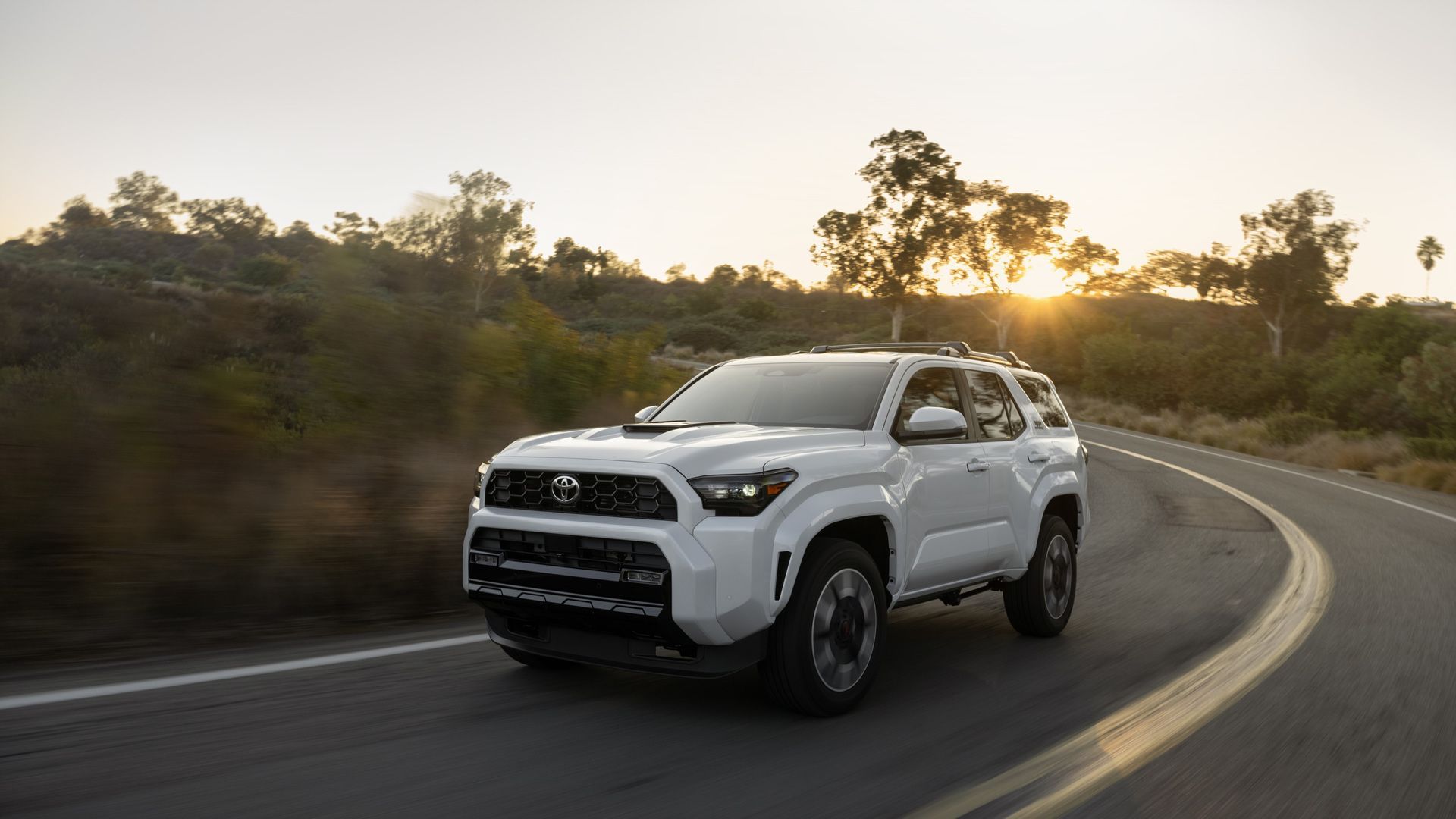
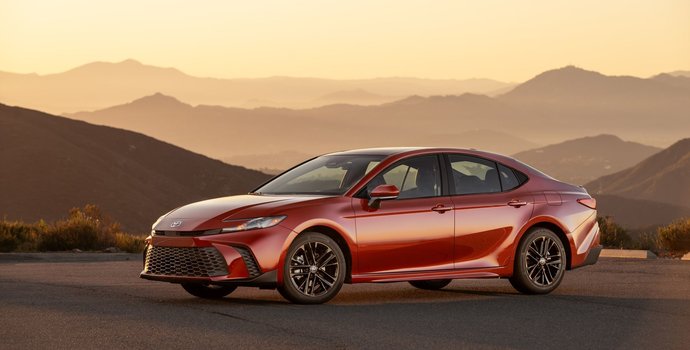
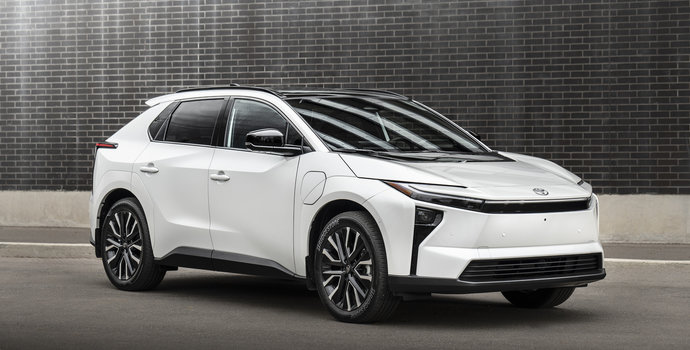
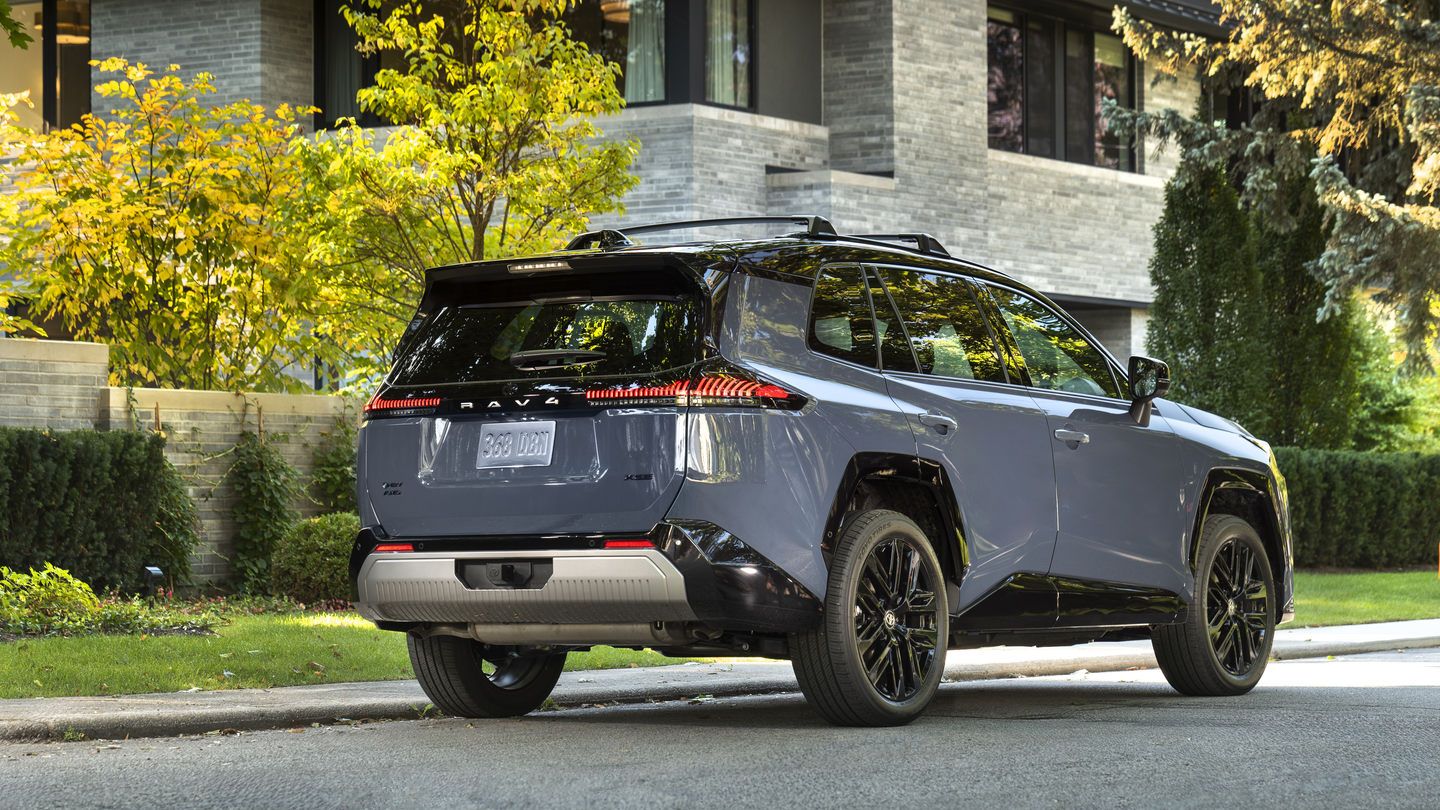
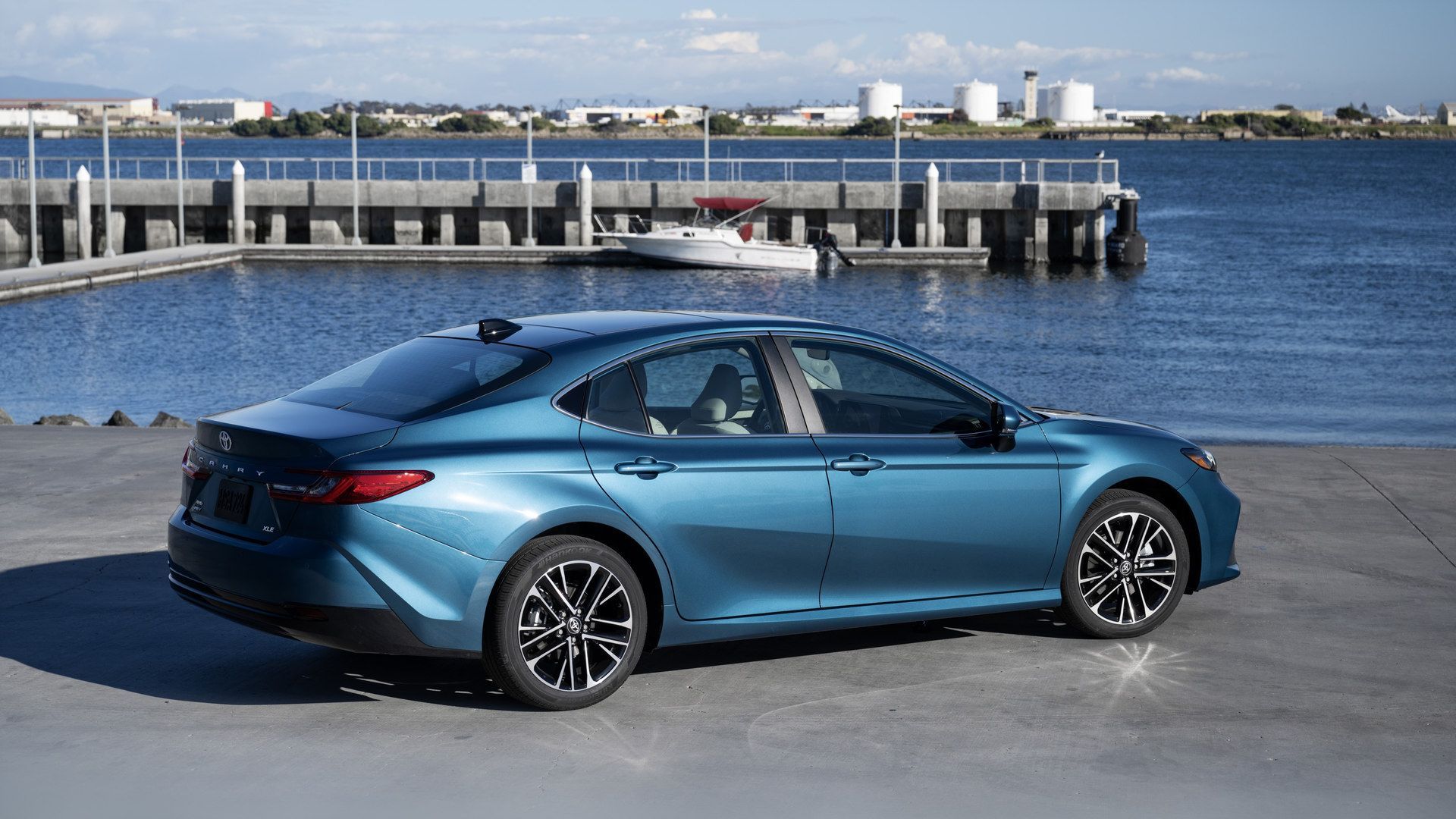
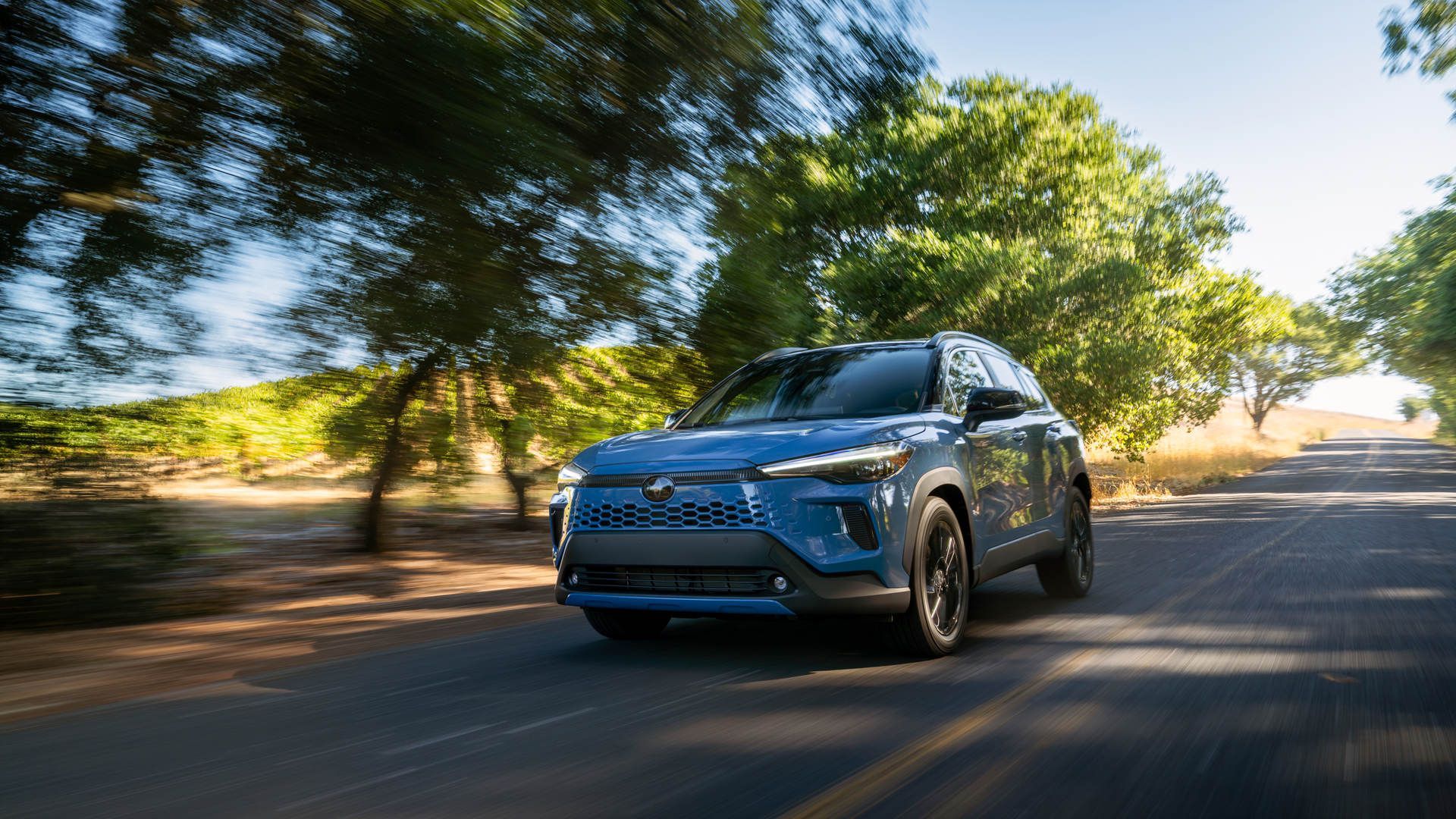
Every 2026 RAV4 sold in Canada comes with standard AWD. AWD versions of the 2026 Camry use Electronic On-Demand AWD, with a rear electric motor-generator that shifts torque between the front and rear wheels as conditions change. The 2027 bZ adds X-MODE with Snow/Dirt, Deep Snow/Mud and Grip Control modes on its AWD grades, while the front-wheel-drive bZ XLE gets Snow Drive Mode. Every 2027 C-HR grade includes Drive Mode Select with Snow Drive Mode.
These systems manage how power reaches the wheels. Braking and steering grip still come from the tires, which is why Transport Canada’s winter tire advice applies to AWD vehicles too.
Which Winter Tire Is Right for Your Toyota?
Choose dedicated winter tires if you drive every day through the season, head out early on cold mornings, or travel rural roads where plows reach later. Consider a 3PMSF all-weather tire if you want one set all year and spend most of your time on cleared streets. Treat an M+S all-season tire as a mild-weather option.
Size matters as much as category. Toyota recommends keeping your vehicle’s original-equipment tire fitment, and sizes change by grade. The 2026 RAV4 LE, for example, uses P235/65R17 tires, while the 2026 RAV4 XLE uses P235/60R18. Transport Canada also recommends four matching winter tires, so plan for a full set.
Find the Right Winter Tires at Goderich Toyota
The right winter tire starts with your exact Toyota model, grade and driving routine. Bring your vehicle to Goderich Toyota, and our team will walk you through dedicated winter and 3PMSF all-weather options sized for your Toyota. Book your winter tire appointment at our Goderich dealership and head into the season with grip you can count on.