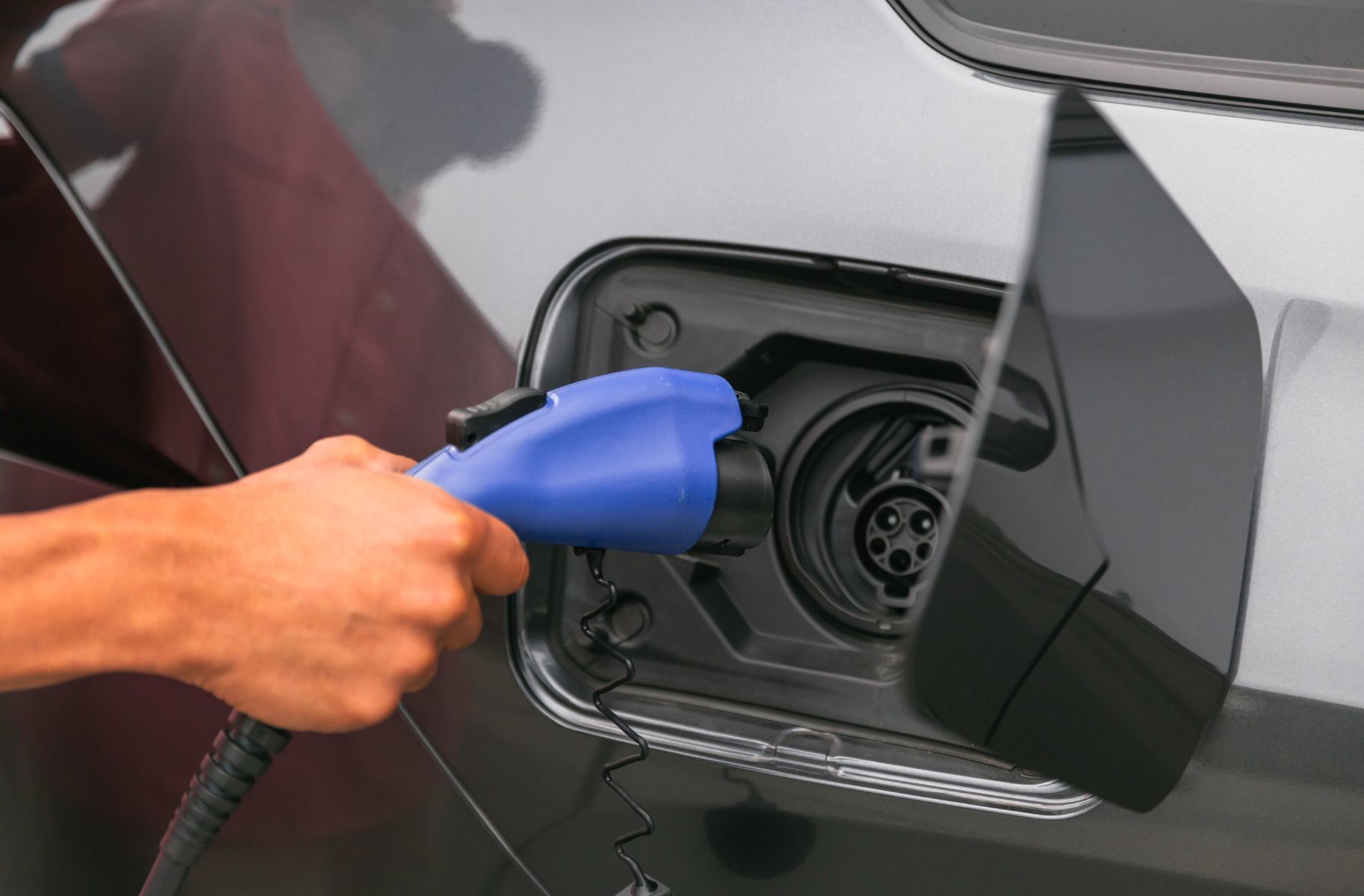
Charging a battery electric vehicle is simple, convenient, and easy to fit into your daily routine. If you’re new to electric driving, this video walks you through how charging works and what to expect at home and on the go.
What Is EV Charging?
Battery electric vehicles run entirely on electricity, which means recharging is an essential part of ownership. Instead of visiting a gas station, you can charge your vehicle at home or at public charging stations.
There are three main ways to charge your EV:
• Level 1 Charging: Uses a standard household outlet. Ideal for overnight charging and daily commuting.
• Level 2 Charging: A faster home or public charging option that helps reduce charging time.
• DC Fast Charging: Available at select public stations, designed to quickly recharge your battery while you’re on the road.
Why Drivers Are Choosing Electric
Charging an EV is designed to be convenient and flexible. Many drivers simply plug in at home overnight and start each day with a full charge.
With the Toyota app, you can easily monitor your vehicle’s charging status, check battery levels, and stay connected wherever you are. It adds an extra layer of confidence and control to your everyday driving experience.
Public charging networks continue to expand across Canada, making it easier to recharge while commuting, running errands, or travelling longer distances.
Find the Right Charging Routine
Your charging routine depends on your lifestyle. Home charging is ideal for consistent, everyday use. Level 2 chargers offer faster charging for busy schedules. For longer trips, DC fast chargers help you get back on the road quickly.
Start Your Electric Journey
Understanding how charging works is the first step to driving electric with confidence. With flexible charging options and connected technology like the Toyota app, it’s easier than ever to make the switch.
Ready to explore your options? Visit us today or browse our inventory to find the electric vehicle that fits your needs.
You might also be interested in these blogs: